Is Canaima Safe for International Travelers? Safety Protocols and Realities
Venezuela Voyages
Venezuela Voyages
Is Canaima National Park safe for international tourists? Learn about guided logistics, indigenous Pemón governance, air transit protocols, and travel safety for foreign visitors.
Safety is the single most common concern for international tourists considering a journey to Venezuela. While general travel advisories often apply broad warnings to urban centers and regional border zones, remote natural ecosystems operate under entirely different operational realities. Canaima National Park is geographically isolated, heavily regulated, and managed in direct partnership with indigenous authorities, making it one of the most serene and secure wilderness destinations in South America.
This comprehensive guide outlines the security protocols, transit conditions, health precautions, and operational realities in place for foreign visitors exploring Canaima and Angel Falls.
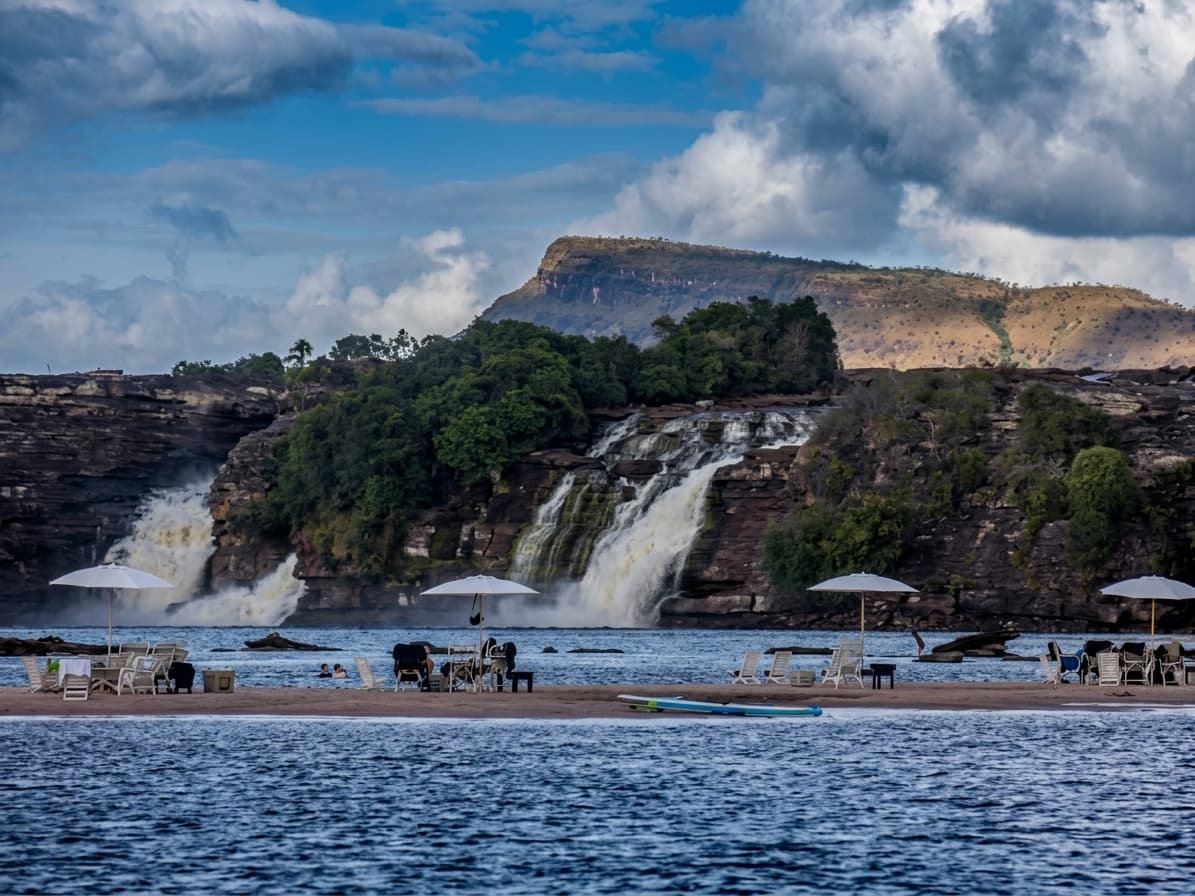
1. Geographic Isolation and Regulated Access Unlike traditional national parks accessible by public highways or interconnecting roads, Canaima National Park is an isolated ecological sanctuary surrounded by dense rainforest and vast tepui plateaus.
Air-Only Access: There are no overland highways or public transport lines connecting Canaima to major urban centers. The primary gateway into the park is the Canaima airstrip (CAJ). Every visitor entering the region arrives via regulated domestic commercial flights or certified private air charters.
Controlled Access Checkpoints: Upon landing at the airstrip, all passengers undergo routine registration with park rangers and indigenous territorial authorities. This controlled entry system prevents unauthorized transit and tracks every visitor within the park perimeter.
Absence of Urban Crime: Because there are no municipal borders, highway junctions, or urban sprawls surrounding the park, the security concerns typically associated with transit hubs in major cities simply do not exist within the national park perimeter.
2. Indigenous Pemón Governance and Community Stewardship Canaima National Park is the ancestral territory of the Pemón indigenous community. Local governance plays a fundamental role in maintaining safety, environmental conservation, and operational order.
Self-Governing Territory: The Pemón people manage local tourism operations, river transit routes, and trail preservation. Their autonomous authority ensures a stable, peaceful environment where crime against visitors is virtually non-existent.
Economic Alignment: Eco-tourism is the primary economic driver for the local population. Protecting international travelers, maintaining lodge security, and preserving the park's global reputation are collective community priorities.
Professional Local Guides: All excursions—whether navigating the Carrao and Churún rivers or trekking to the base of Angel Falls—are conducted alongside native Pemón guides and captains who possess deep knowledge of the terrain, river currents, and localized weather patterns.
3. Transportation Safety Protocols: Air and River Transit Navigating remote jungle environments requires adherence to strict mechanical standards and navigational protocols.
Aviation Standards: Flights connecting major hubs like Caracas or Porlamar to Canaima operate under standard civil aviation regulations. Commercial aircraft and private charters undergo mandatory technical inspections, operating strictly during daylight hours due to local weather and topography.
River Navigation: Reaching Angel Falls involves traveling in motorized wooden canoes known as curiaras. Professional operators equip every passenger with certified life jackets, secure luggage in waterproof dry bags, and employ experienced river captains who adjust speed and routes based on seasonal water levels.
4. Health Precautions and Field Logistics Ensuring a safe journey involves proper health preparation before arriving in the Guayana Highlands.
Recommended Vaccinations: A Yellow Fever vaccination is strongly recommended for all travelers visiting tropical rainforest environments in South America. It should be administered at least 10 days prior to departure.
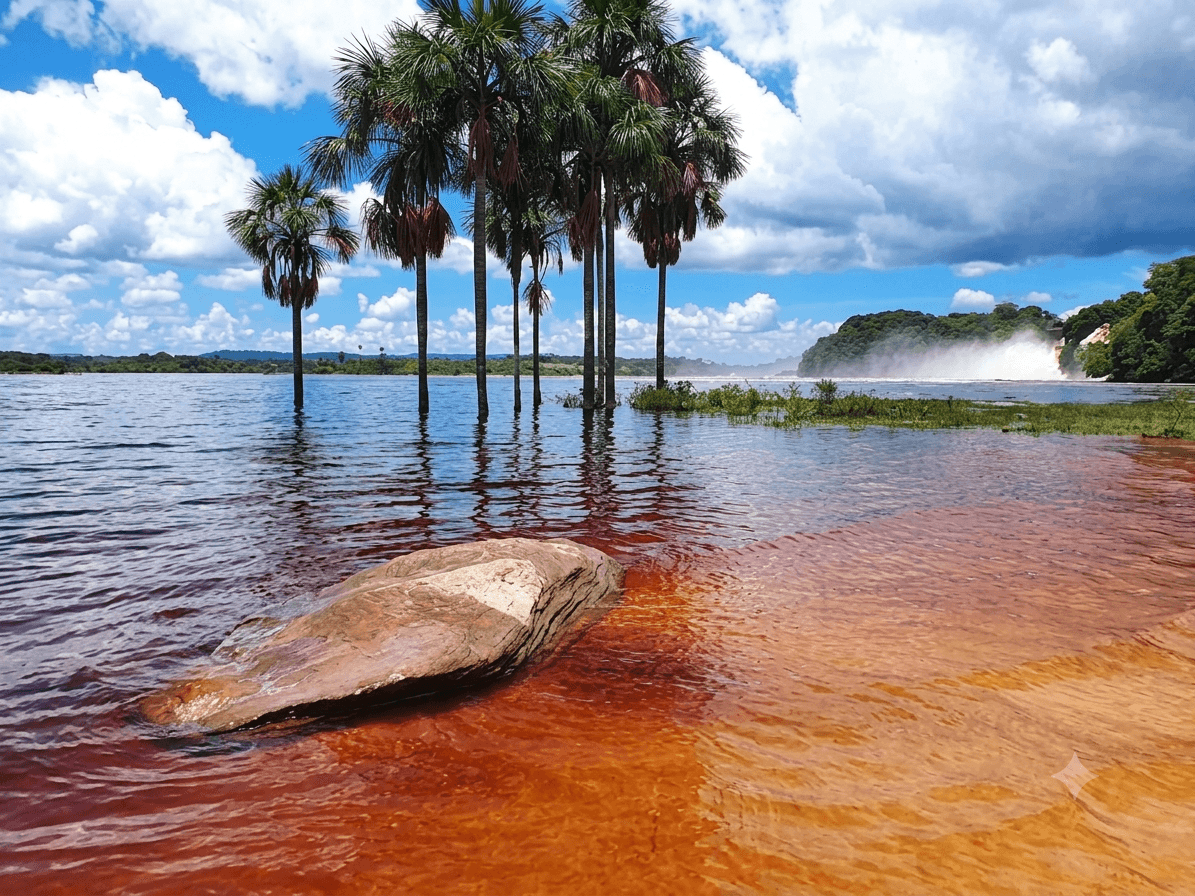
Water and Hygiene Standards: While the river water in Canaima is tinted dark brown by organic tannins from local vegetation, established lodges provide purified, bottled, or filtered drinking water for all guests. Meals served at structured lodges and full-service base camps adhere to strict hygiene practices.
Insects and Prevention: Mosquitoes and blackflies (pium) are present near riverbanks and waterfalls. Wearing lightweight long-sleeved shirts, long trousers, and applying insect repellent containing DEET or Picaridin effectively prevents bites.
Emergency Protocols: Established expedition operators maintain field first-aid kits on all boats and at base camps. In the rare event of a medical emergency requiring advanced hospitalization, air medical evacuation protocols are coordinated through the local airstrip to regional medical centers in Ciudad Guayana or Caracas.
5. Practical Safety Guidelines for Foreign Travelers To maximize personal safety, comfort, and peace of mind throughout your journey, keep the following best practices in mind:
Book Structured Expeditions: Independent, unguided travel inside Canaima National Park is neither permitted nor logistically feasible. Always secure your itinerary through established operators with verifiable logistics and local community partnerships.
Cash and Currency Handling: Bring sufficient physical USD cash in small, clean denominations ($5, $10, $20) for local purchases, artisan crafts, or gratuities. Credit card terminals and ATMs are not available in remote river camps.
Respect Local Norms: Always ask for permission before taking photographs of local indigenous residents. Respect village boundaries and sacred sites around the tepuis.
Secure Electronic Gear: High humidity and water spray near waterfalls pose a risk to electronics. Store cameras, phones, and travel documents in heavy-duty dry bags during river transit.
Conclusion: A Secure Wilderness Experience When managed through professional logistics and experienced local guides, Canaima National Park offers an exceptionally safe environment for international travelers. By understanding the regional infrastructure and adhering to standard health precautions, visitors can focus entirely on experiencing one of the world's most extraordinary natural wonders.
To learn more about structured itineraries, private transfers, and professional expedition support across Venezuela, explore our complete Canaima and Catatumbo natural phenomena expedition package .
Ready to travel?
Let us help you plan your next adventure through Venezuela.