The True Value of Comfort: What Drives Expedition Pricing in Venezuela?
Venezuela Voyages
Venezuela Voyages
An objective analysis of expedition pricing in remote Venezuelan wilderness. Compare basic field campsites with full-service comfort lodges, cold-chain gastronomy, and private transit safety.
Traveling through Venezuela offers access to some of the most pristine ecosystems on earth, from the ancient tepui plateaus of Canaima National Park to the isolated marine ecosystems of Los Roques and the vast plains of La Gran Sabana. However, international travelers planning an expedition often encounter vast price disparities between different tour operators.
In remote rainforests and protected national parks, expedition pricing is directly dictated by supply chain logistics, air transport freight, and field infrastructure. Because these regions lack overland road networks or municipal utilities, every single resource—from aviation fuel and fresh produce to solar batteries and boat engines—must be transported via aircraft or river routes.
Understanding the operational realities behind these costs allows travelers to make informed decisions based on physical safety, rest, and logistical risk management.
1. Lodging Standards and Energy Infrastructure In extreme wilderness environments, physical recovery at the end of each day dictates the overall quality and sustainability of the travel experience. High humidity, insects, and tropical heat make sleep quality a critical factor.
Low-Cost Field Camps: Budget itineraries frequently rely on basic open-air shelters equipped with woven hammocks, basic field cots, or shared tents. These facilities often lack thermal protection against rain or humidity, feature shared dry toilets or basic communal bathrooms, and operate without reliable power generation to charge cameras or electronics.
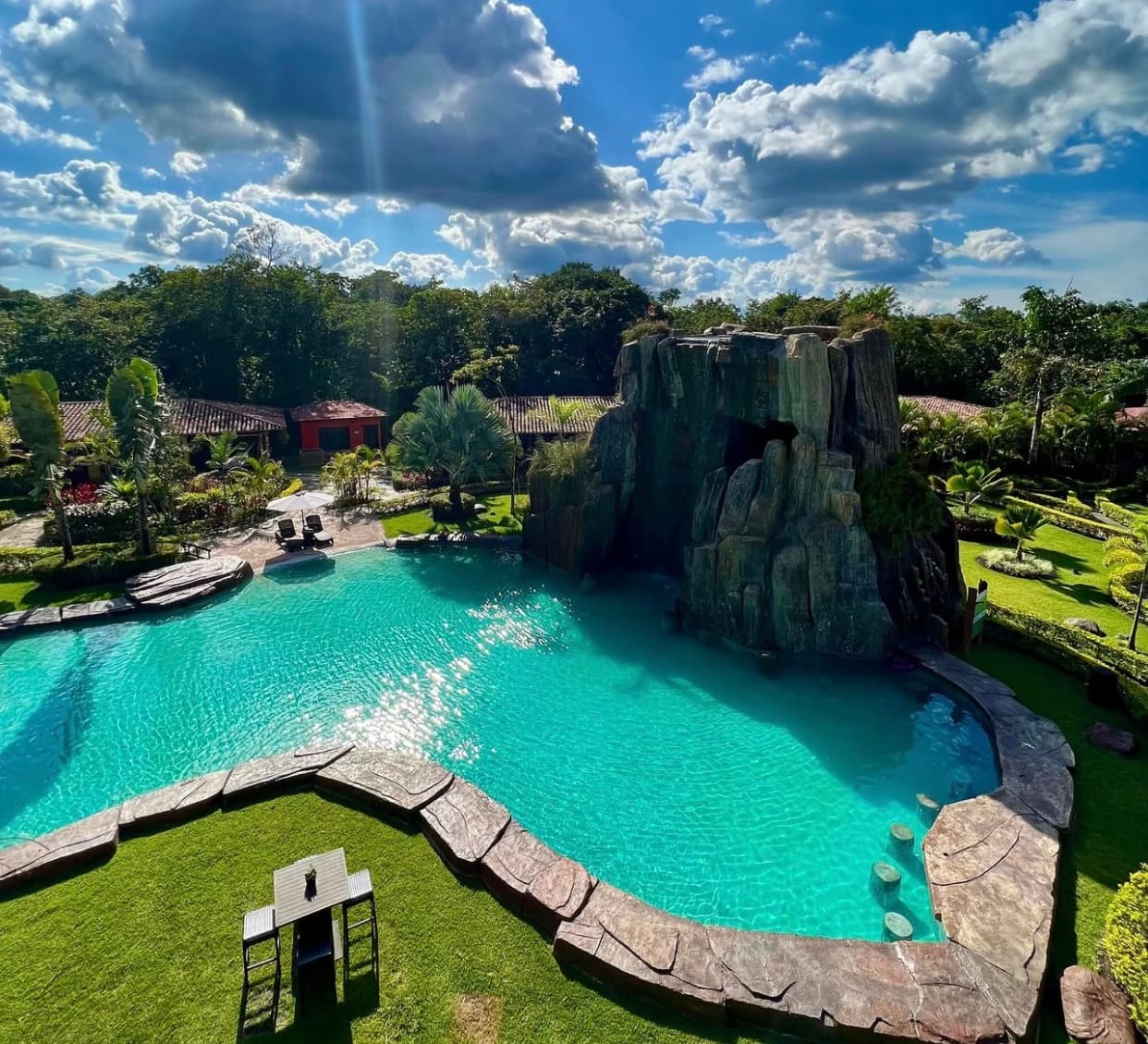
Comfort-Focused Wilderness Lodges: Premium operations utilize established lodges featuring private en-suite bathrooms, orthopedic mattresses, and clean cotton linens. Crucially, these facilities operate dedicated generator systems, battery banks, or solar arrays to guarantee climate control, hot water, and continuous power supply after demanding days of trekking.
2. Field Gastronomy and Cold-Chain Management Maintaining high nutritional standards in tropical environments requires specialized supply chain management and continuous refrigeration infrastructure.
Standard Field Rations: Low-cost operators minimize weight and freight fees by relying heavily on shelf-stable non-perishables, processed canned foods, and standardized meal kits. While functional for basic sustenance, these options lack fresh ingredients, offer limited nutritional diversity, and rarely accommodate complex dietary requirements.
Fresh Culinary Logistics: High-standard expeditions maintain strict cold-chain transit systems to transport fresh meats, vegetables, fruits, and dairy directly from major distribution hubs to remote field kitchens. Professional cooks prepare balanced hot meals on-site, adapting fully to individual dietary needs and preferences.
3. Transit Safety, Fleet Maintenance, and Fuel Reserves Navigating isolated river networks and flying over dense jungle terrain requires strict adherence to mechanical maintenance protocols and safety standards.
Low-Cost Transit Practices: Budget operators frequently consolidate large passenger groups into high-capacity river canoes (curiaras) to split fuel costs. They often operate on rigid, fixed departure windows regardless of river water levels, weather fluctuations, or local delays.
Private Infrastructure and Contingency Protocols: Comfort-focused operations maintain dedicated river vessels with capped passenger limits to ensure comfortable seating and secure storage for photography gear. Experienced native captains carry dedicated fuel reserves, spare engine parts, and enforce strict marine safety protocols, including mandatory life jackets and heavy-duty dry bags.
4. Group Dynamics, Pacing, and Guiding Ratios Group size fundamentally alters how visitors interact with natural landscapes and native communities.
High-Density Tour Groups: Budget itineraries typically assemble groups of 15 to 20 or more travelers under a single guide. This structure forces rigid collective schedules, reduces dedicated time at scenic viewpoints, and restricts spontaneous opportunities for rest or photography.
Intimate Small-Group Operations: Operating with small groups or private custom itineraries allows for personalized pacing, extended visual stops at major landmarks, and direct interactions with native Pemón guides who provide deep ecological and cultural context.
5. Operational Safety and Emergency Support Operating in isolated wilderness zones requires active risk mitigation and immediate backup planning.
Emergency Protocols: Remote expeditions must maintain direct communication channels with local airstrips, regional medical facilities, and charter flight operators in case medical evacuation or emergency transit is required.
Community Integration: Working in direct partnership with local indigenous authorities ensures stable access, secure trail management, and respectful cultural exchanges within local villages.
6. Comprehensive Cost vs Experience Breakdown
Parameter: Lodging Infrastructure Budget Operators: Open-air hammocks or basic inns with shared bathrooms and intermittent power. Comfort Operations: Private en-suite rooms in established lodges with real beds, guaranteed power, and hot water.
Parameter: Culinary Standards Budget Operators: Canned goods, processed rations, standardized menus with minimal fresh produce. Comfort Operations: Cold-chain managed fresh ingredients, hot dishes cooked on-site, custom dietary support.
Parameter: Transport & Fuel Budget Operators: High-density shared river boats with fixed departure schedules and basic fuel capacity. Comfort Operations: Dedicated river curiaras, capped passenger limits, secured fuel reserves, private air charters.
Parameter: Guiding & Group Size Budget Operators: Large crowds of 15-20+ travelers per guide with rigid collective pacing. Comfort Operations: Small intimate groups or private guides with flexible personalized pacing.
Evaluating Your Expedition Investment Selecting an expedition based solely on the lowest initial price tag often requires accepting trade-offs in sleeping comfort, food quality, and transit flexibility in isolated wilderness areas. For international travelers investing significant time and effort to reach Venezuela, structured operations ensure predictable logistics, dedicated service, and authentic comfort in the middle of nature.
To review detailed itinerary options, field logistics, and transparent pricing structures, explore our complete Canaima and Catatumbo natural phenomena expedition package.
Ready to travel?
Let us help you plan your next adventure through Venezuela.